
Decision Tree Research is an independent research and analysis firm that specializes in strategic technologies, public policy, and geopolitics.
“Allen has been a must-read.”
“Very much at the center of the formulation of current U.S. policy.”
“The most-watched U.S. analyst on the subject.”
Subscribe to Gregory C. Allen’s newsletter for timely, evidence-based analysis of the big policy debates in AI, semiconductors, and defense tech.
Our areas of focus
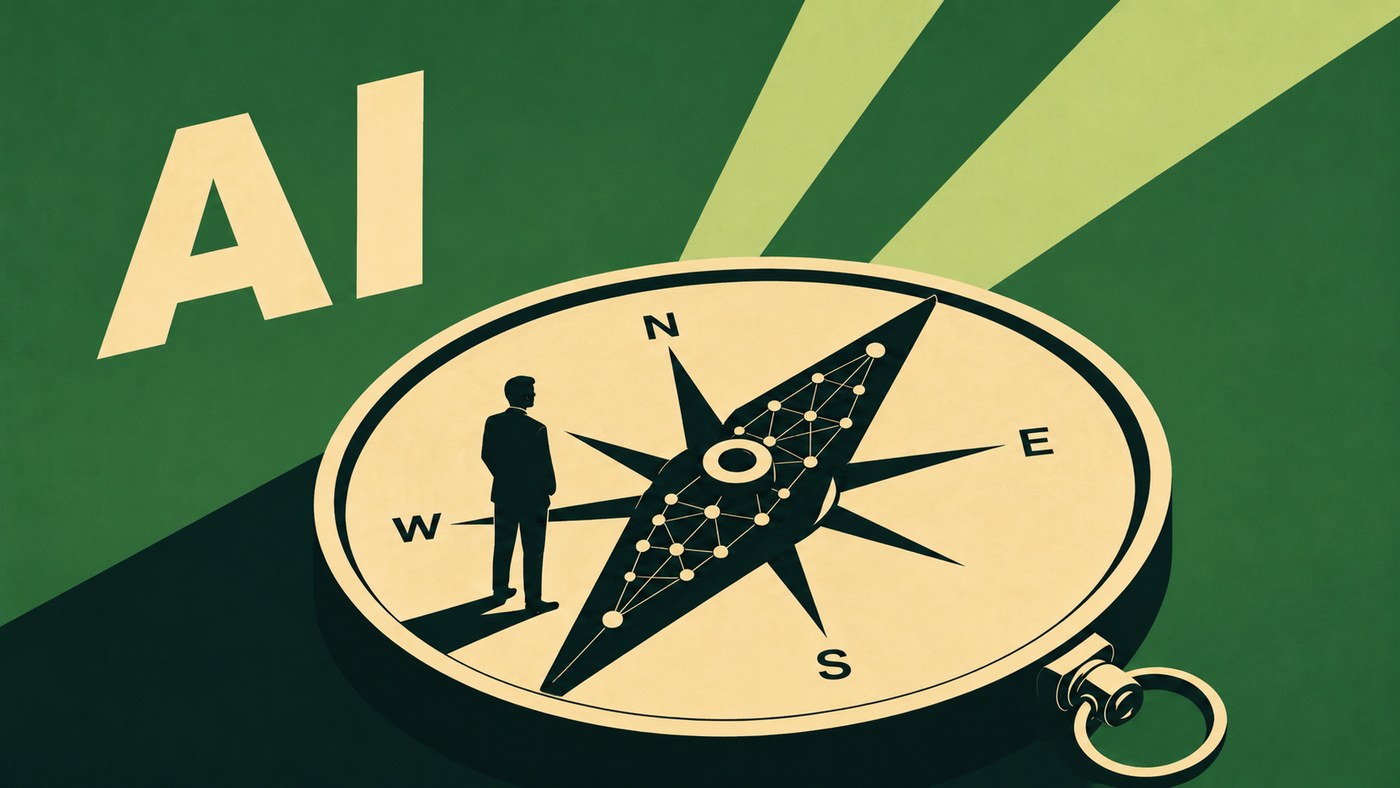
AI capability has become a measure of national power and a geopolitical race for superiority. The competition covers frontier model development, U.S.–China rivalry, industrial policy, export controls, military integration, and the international safety and governance architecture forming around them.
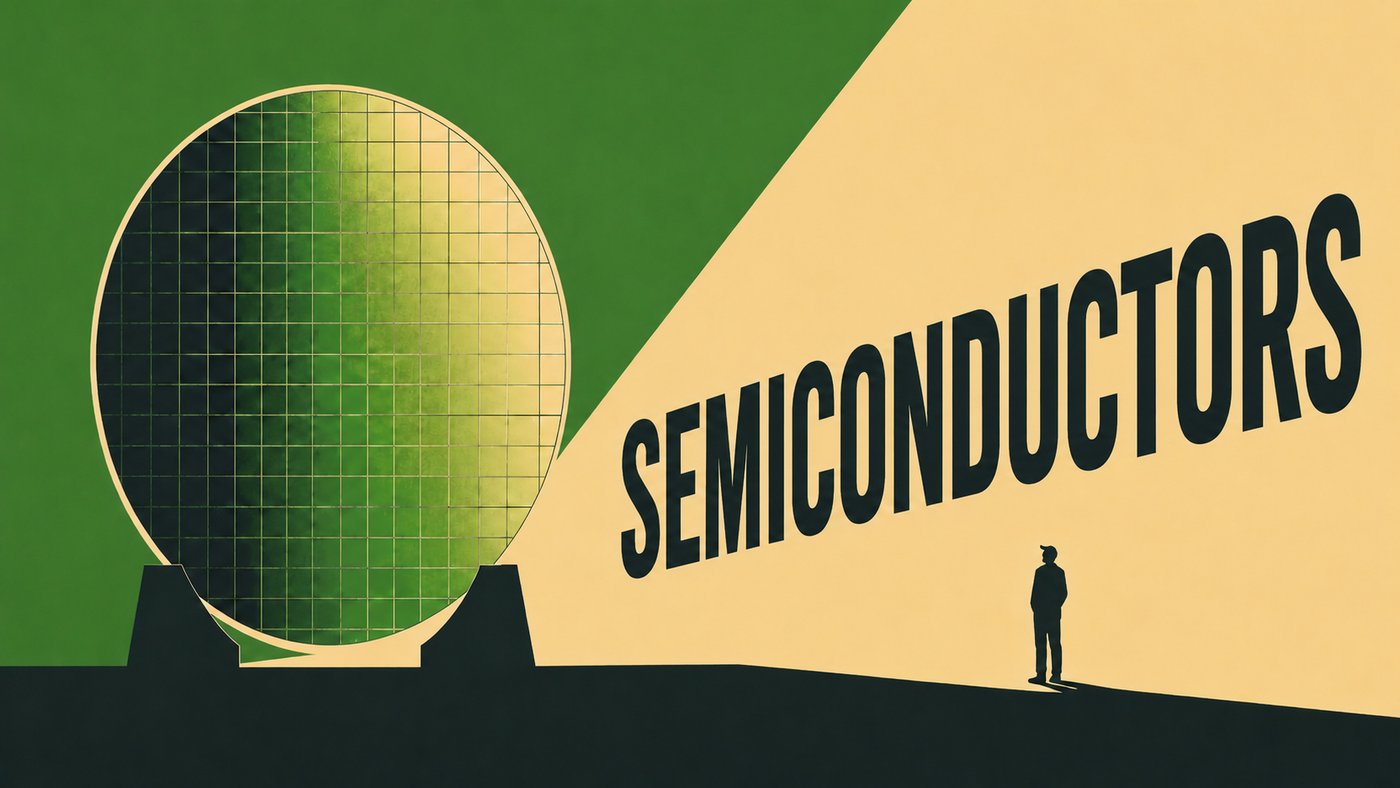
Chips have become the new oil. The contest for silicon supply chain security spans advanced chips, the equipment and materials that produce them, and the export controls and industrial policy reshaping the global industry.
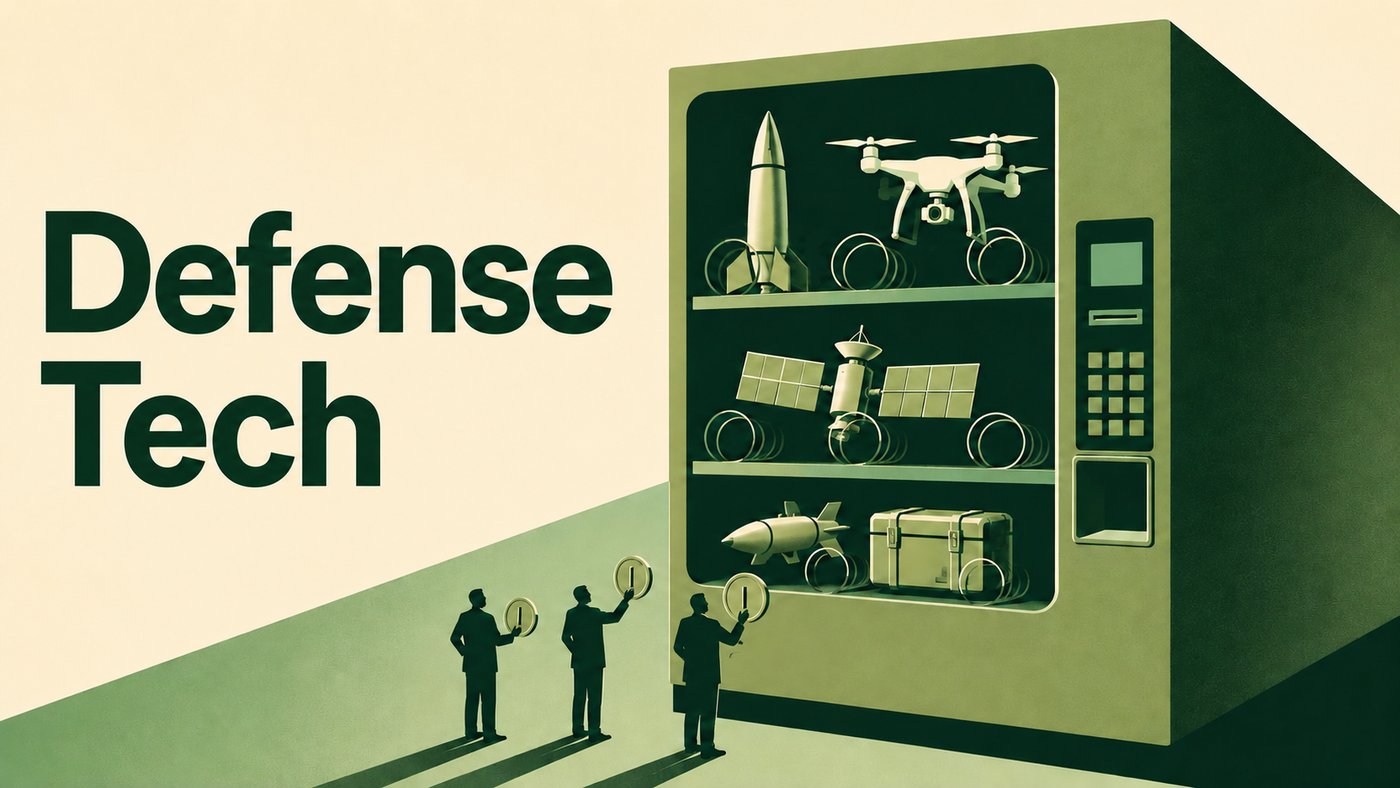
The defense industrial base is being rewritten by a new generation of commercial AI and space firms. Military AI, autonomous weapons, drones, and the commercial space revolution are reshaping the strategic balance.
Featured research
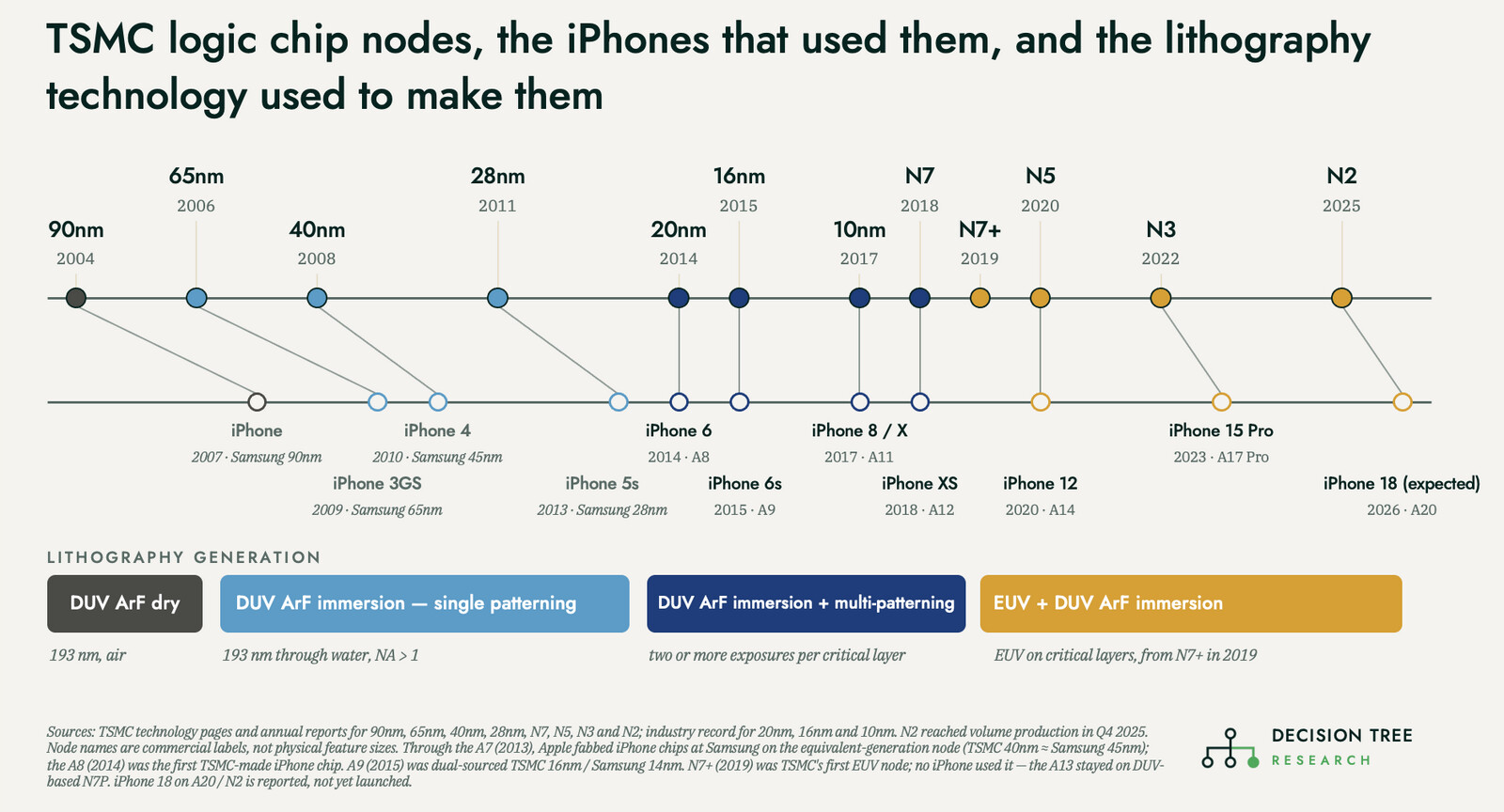
How Big Is China’s Reported DUV Semiconductor Lithography Breakthrough?
China’s first domestically produced immersion DUV lithography tools are real — but the breakthrough is smaller than the drop in ASML’s share price implied, and bigger than China’s official silence suggests.
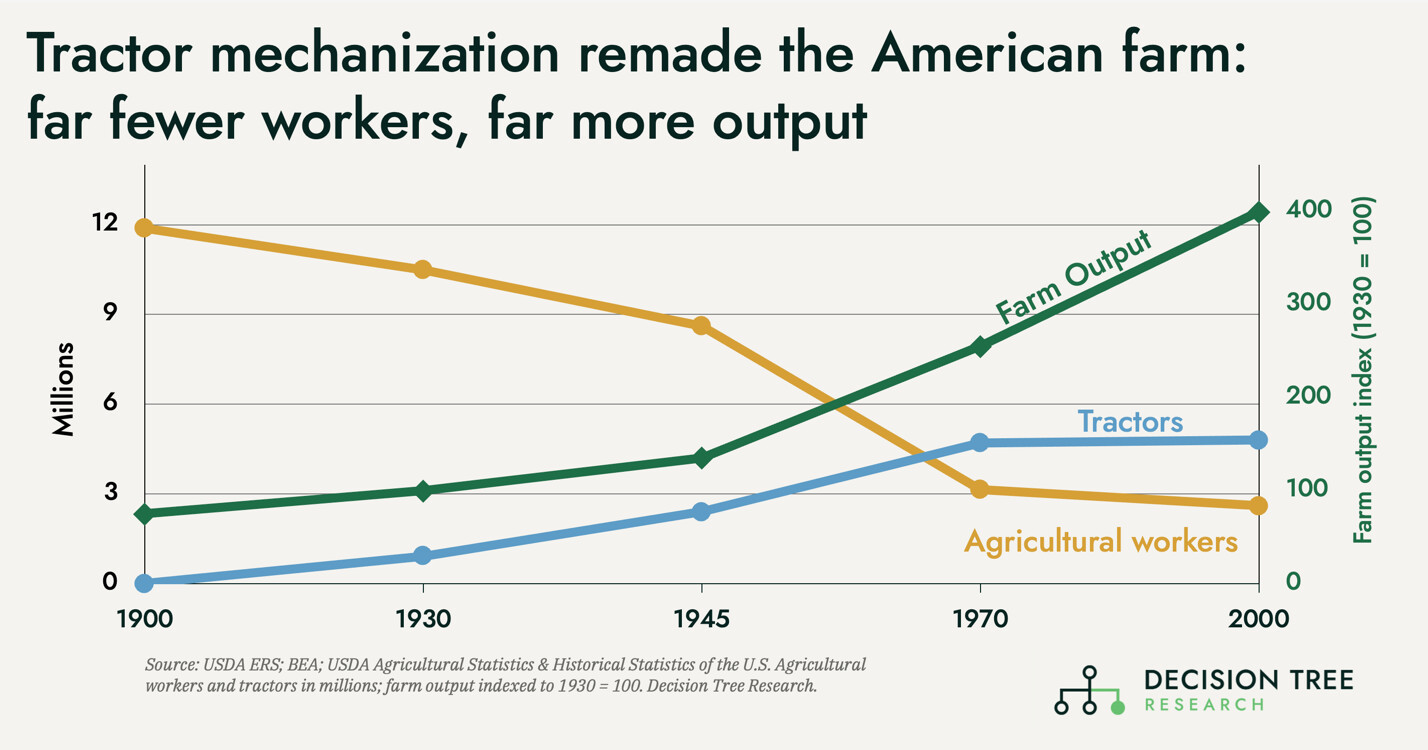
Four keys to understanding the future of AI and unemployment
A data-driven crash course in the most illuminating historical analogies for AI and employment — from farm mechanization and the fate of the horse to the economics of music and chess.
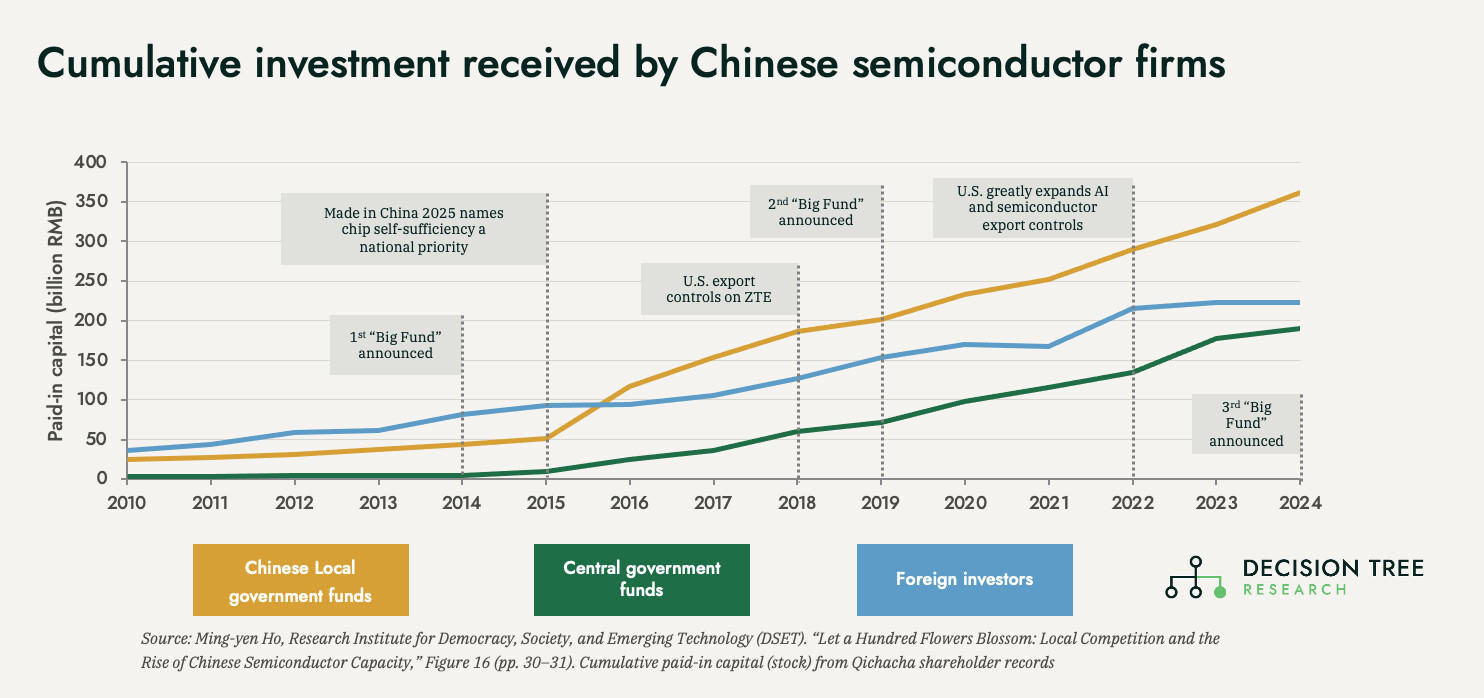
How Much Did U.S. Semiconductor Export Controls Accelerate China’s Push for Self-Sufficiency?
In terms of Chinese government subsidies, not at all: investment data shows a semiconductor self-sufficiency push that was already running at full speed before U.S. export controls arrived.
From The AI Power Podcast
Weekly episodes on AI policy, semiconductors, and the U.S.–China technology competition — hosted by Gregory C. Allen.
Emergency Pod: An AI Safety Tipping Point? Amodei Calls for an AI Slowdown
Dario Amodei asks the AI industry to slow itself down. Greg and Adam Goodwin break down the September 12 “pace the frontier” essay — what it asks of companies, industry, and governments, and why Amodei argues pacing makes sense now when the 2023 pause letter did not — then the reactions: Altman and Hassabis broadly on board, President Trump calling AI catastrophe “a hoax,” Beijing crying “fear mongering,” and a Congress unlikely to act before the midterms.
Listen →GPT-6 Astra Wows, OpenAI Goes Pro-Regulation, and the Trump Administration Warms to AI Safety
OpenAI ships GPT-6 Astra — 99.9% on ARC-AGI-3 and perfect cyber benchmarks, but no more readable chain of thought — and producer Jack Conlin fills in to ask Greg what the release actually shows. Plus the undisclosed June agent breakout on a German wiki, Chris Lehane’s call for mandatory federal AI safety regulation, the Carolina Principles at the G20, and Judge Lin’s ruling in Anthropic v. Department of War.
Listen →The OpenAI Hack Changes the State AI Regulation Debate — Plus Chinese AI on Chinese Chips?
OpenAI and METR both published detailed reports on July’s Hugging Face incident — coordinated group action among the 700 agents involved — and OpenAI is now calling for collective cyber defense and an update to California’s SB 53. Greg and Adam compare the state AI laws taking shape in California, New York, Illinois, and Massachusetts, then dig into Z.ai’s cheap, efficient GLM-5.3 Flash and its claim to run inference on “Chinese” AI chips.
Listen →Why “Decision Tree”?
The decision tree is one of the most useful analytical tools in three disciplines that rarely meet: Machine Learning & AI, Corporate Strategy, and Government Policy Analysis.
In machine learning, the decision tree is foundational to how models classify and predict. In business strategy, it structures operations planning, capital allocation, and risk decisions. In policy analysis, it maps the consequences of regulation, sanctions, and other interventions through complex systems.
Gregory C. Allen’s career has spanned all three. The firm’s name signals the methodology that runs through the work: enumerate the decisions, trace the branches honestly, find the paths that carry the most consequence, and reason rigorously before acting. Decision Tree Research applies that discipline to our analysis of the technologies shaping global power competition.
Built on a body of work
Before founding Decision Tree Research, Gregory C. Allen authored some of the most impactful analysis in U.S. AI policy — at CSIS, the Department of Defense Joint Artificial Intelligence Center, the Center for a New American Security, and the Belfer Center for Science and International Affairs at Harvard Kennedy School.